
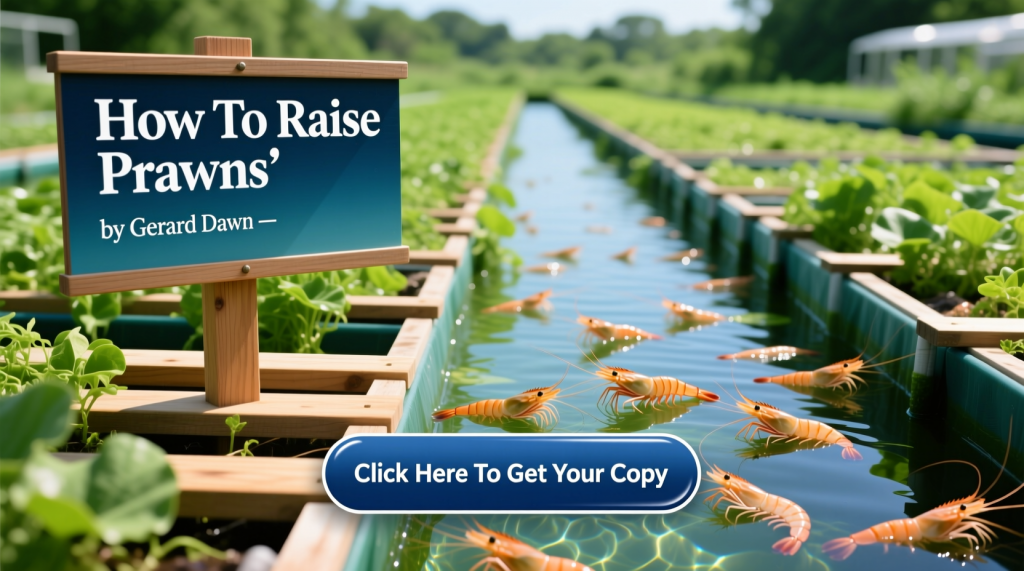
Prawn farming, also known as shrimp aquaculture, is a lucrative industry that requires a deep understanding of the different growth stages of prawns to ensure optimal production. Proper management at each phase—hatching, nursery, grow-out, and harvesting—is crucial for maximizing survival rates, growth, and overall yield.
This comprehensive guide explores the four key prawn growth stages and outlines the best practices for each phase to help farmers achieve high-quality, sustainable production.
Table of Contents
1. Hatchery Phase (Larval Stage)
Overview
The hatchery phase is the first stage in prawn farming, where fertilized eggs develop into postlarvae (PL). This stage is critical because it determines the quality and survival rate of the juveniles that will be transferred to grow-out ponds.
Key Growth Sub-Stages
Prawn larvae go through several developmental stages:
- Nauplius (first larval stage, relies on yolk sac)
- Zoea (begins feeding on phytoplankton)
- Mysis (transitional stage, starts resembling juvenile shrimp)
- Postlarvae (PL) (ready for nursery or grow-out ponds)
Best Practices for the Hatchery Phase
a. Water Quality Management
- Maintain salinity levels between 28-35 ppt (parts per thousand).
- Keep temperature at 28-31°C for optimal larval development.
- Ensure pH levels remain between 7.5-8.5.
- Use aeration to maintain dissolved oxygen (DO) above 5 mg/L.
b. Feeding Protocol
- Nauplius stage: No feeding required (relies on yolk reserves).
- Zoea stage: Feed microalgae (e.g., Chaetoceros, Tetraselmis) and artificial larval diets.
- Mysis stage: Introduce Artemia nauplii (brine shrimp) as a protein source.
- Postlarvae stage: Gradually transition to commercial feed.
c. Disease Prevention
- Disinfect tanks and equipment before stocking.
- Use probiotics to maintain gut health and prevent bacterial infections.
- Avoid overcrowding to reduce stress and disease outbreaks.
d. Harvesting Postlarvae
- PL15-PL20 (15-20 days old) are ideal for transfer to nursery ponds.
- Acclimate gradually to new water conditions to avoid shock.
2. Nursery Phase (Juvenile Stage)
Overview
The nursery phase involves rearing postlarvae (PL) in controlled environments before transferring them to grow-out ponds. This stage helps improve survival rates by allowing juveniles to grow stronger in a protected setting.
Best Practices for the Nursery Phase
a. Pond/Tank Preparation
- Biofloc systems or greenwater systems are ideal for nurseries.
- Ensure proper aeration (DO > 5 mg/L).
- Maintain water depth at 0.5-1 meter.
b. Stocking Density
- Optimal stocking density: 500-1,000 PL per m² (varies by system).
- Higher densities require strong aeration and frequent water exchange.
c. Feeding Management
- Feed high-protein diets (35-40% protein) 4-5 times daily.
- Use automatic feeders for consistency.
- Monitor feeding response to adjust quantities.
d. Health Monitoring
- Check for signs of disease (lethargy, discoloration, erratic swimming).
- Conduct regular water tests (ammonia, nitrite, pH).
- Use immunostimulants (e.g., beta-glucans) to boost immunity.
e. Transfer to Grow-Out Ponds
- Juveniles should reach 1-2 grams before transfer.
- Gradual acclimatization to new pond conditions is essential.
3. Grow-Out Phase (Adult Stage)
Overview
The grow-out phase is the longest and most critical stage, where prawns reach marketable size. Proper pond management, feeding, and disease control are essential for high yields.
Best Practices for the Grow-Out Phase
a. Pond Preparation
- Dry and lime ponds between cycles to eliminate pathogens.
- Fill with filtered water to prevent predator entry.
- Establish biofloc or plankton blooms for natural food sources.
b. Stocking Density
- Extensive systems: 5-10 prawns/m² (low density, natural feeding).
- Semi-intensive: 15-25 prawns/m² (supplemental feeding).
- Intensive systems: 50-100 prawns/m² (high aeration, commercial feed).
c. Feeding Strategy
- Use 30-35% protein feed for optimal growth.
- Feed 3-4 times daily (adjust based on consumption).
- Avoid overfeeding to prevent water pollution.
d. Water Quality Management
- Maintain DO levels > 4 mg/L (use aerators if needed).
- Control ammonia (< 0.1 mg/L) and nitrite (< 0.2 mg/L).
- Partial water exchange (10-20% weekly) helps maintain quality.
e. Disease Control
- Regular health checks for signs of White Spot Syndrome (WSSV), Vibriosis.
- Probiotics and prebiotics improve gut health.
- Quarantine sick prawns to prevent outbreaks.
f. Growth Monitoring
- Weekly sampling to track growth (target: 20-30g in 4-6 months).
- Adjust feeding rates based on growth data.
4. Harvesting Phase
Overview
Harvesting is the final stage, where prawns reach market size (typically 20-30 grams). Proper techniques ensure high-quality produce and minimal stress.
Best Practices for Harvesting
a. Partial vs. Full Harvest
- Partial harvest: Remove larger prawns first (allows smaller ones to grow).
- Full harvest: Drain the pond completely (best for uniform-sized prawns).
b. Harvesting Methods
- Seine nets: Effective for partial harvests.
- Drain harvest: Best for complete harvests (reduce stress).
c. Post-Harvest Handling
- Wash prawns in clean, chilled water to maintain freshness.
- Grading by size increases market value.
- Immediate ice storage preserves quality.
d. Pond Preparation for Next Cycle
- Dry and disinfect ponds to eliminate pathogens.
- Apply lime to balance pH before restocking.
Here are ten frequently asked questions (FAQs) about prawns:
1. What is the difference between prawns and shrimp?
Prawns and shrimp are different crustaceans. Prawns have three pairs of claw-like legs, while shrimp have two. Prawns also have branching gills and a straighter body compared to shrimp.
2. Are prawns healthy to eat?
Yes, prawns are a good source of protein, low in fat, and rich in omega-3 fatty acids, vitamins (B12, E), and minerals (selenium, zinc). However, they contain cholesterol, so moderation is advised for some diets.
3. How can I tell if prawns are fresh?
Fresh prawns should have a firm texture, a mild ocean-like smell (not fishy), and a translucent appearance. Avoid prawns with black spots, a slimy texture, or a strong ammonia odor.
4. How should I store fresh prawns?
Keep fresh prawns in the coldest part of the fridge (0–4°C) and use them within 1–2 days. For longer storage, freeze them in an airtight container for up to 3 months.
5. Can you eat prawns raw?
Raw prawns can carry parasites or bacteria, so it’s safer to cook them thoroughly. If consuming raw (e.g., in sushi), ensure they are sashimi-grade and properly frozen to kill pathogens.
6. How do you peel and devein prawns?
- Remove the head (if attached).
- Peel off the shell, leaving the tail if desired.
- Make a shallow cut along the back and remove the dark digestive tract (vein) with a knife or toothpick.
7. What’s the best way to cook prawns?
Prawns cook quickly (2–3 minutes per side) and can be grilled, boiled, fried, or sautéed. Overcooking makes them rubbery—they’re done when they turn opaque and pink.
8. Why do prawns turn pink when cooked?
The color change is due to a protein called astaxanthin, which is naturally present in prawns but bound to other molecules. Heat releases astaxanthin, turning the prawns pink.
9. Are prawns safe for people with shellfish allergies?
No. Prawns are shellfish, and people with shellfish allergies should avoid them as they can trigger severe allergic reactions.
10. Are farmed or wild-caught prawns better?
- Wild prawns are often considered tastier but may have sustainability concerns.
- Farmed prawns can be more eco-friendly if responsibly sourced (look for certifications like ASC or MSC), but some farms use antibiotics or harm mangroves.