
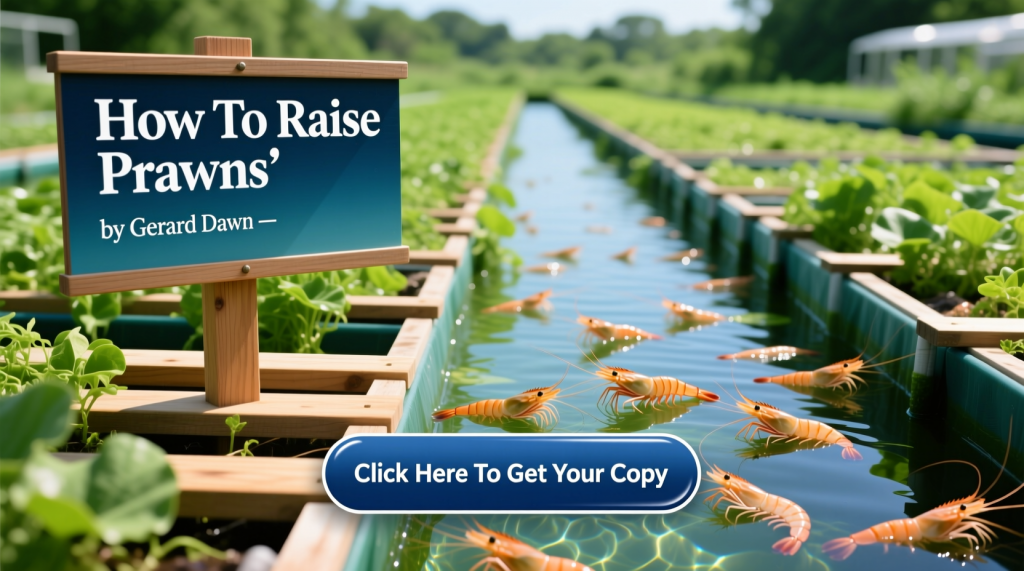
Prawn farming is a lucrative aquaculture business that provides high-quality protein and significant economic returns. However, one of the biggest challenges prawn farmers face is high mortality rates, which can drastically reduce profits. Mortality in prawn farming can result from poor water quality, disease outbreaks, inadequate nutrition, and improper farm management.
Reducing mortality rates is essential for maximizing survival rates, improving harvest yields, and increasing profitability. This guide explores practical strategies to minimize prawn deaths, optimize farming conditions, and ensure a successful harvest.
Table of Contents
1. Maintain Optimal Water Quality
Water quality is the most critical factor affecting prawn survival. Poor water conditions lead to stress, disease, and mass mortality.
Key Water Quality Parameters:
- Dissolved Oxygen (DO): Prawns require 5-8 mg/L of DO. Low oxygen levels cause stress and suffocation.
- Solution: Use aerators, paddlewheels, or diffusers to maintain oxygen levels, especially at night when oxygen drops.
- pH Levels: Ideal pH for prawns is between 7.5 and 8.5. Extreme pH fluctuations can be fatal.
- Solution: Regularly monitor pH and use lime (CaCO₃) to stabilize it if necessary.
- Ammonia (NH₃) and Nitrite (NO₂⁻): High ammonia (>0.1 mg/L) and nitrite (>0.5 mg/L) are toxic.
- Solution: Conduct regular water exchanges (20-30% weekly) and use biofilters to break down waste.
- Temperature: Optimal range is 28-32°C (82-90°F). Sudden temperature changes stress prawns.
- Solution: Use shade nets in hot climates and avoid deep ponds that experience temperature stratification.
- Salinity: Marine prawns (e.g., Penaeus vannamei) thrive at 15-25 ppt, while freshwater species need <5 ppt.
- Solution: Adjust salinity gradually if needed and avoid sudden changes.
2. Prevent and Control Diseases
Diseases are a leading cause of prawn mortality. Common prawn diseases include:
A. White Spot Syndrome Virus (WSSV)
- Symptoms: White spots on shells, lethargy, and rapid death.
- Prevention:
- Use disease-free post-larvae (PL) from certified hatcheries.
- Disinfect ponds with chlorine (30 ppm) before stocking.
- Avoid introducing wild crustaceans that may carry the virus.
B. Early Mortality Syndrome (EMS)/Acute Hepatopancreatic Necrosis Disease (AHPND)
- Symptoms: Pale hepatopancreas, slow growth, and sudden death.
- Prevention:
- Use probiotics to improve gut health.
- Avoid overfeeding, which leads to water contamination.
- Implement biosecurity measures (e.g., foot baths, equipment disinfection).
C. Bacterial Infections (Vibriosis)
- Symptoms: Reddish body, ulcers, and erratic swimming.
- Prevention:
- Maintain clean water and reduce organic waste.
- Use antibiotic-free treatments like herbal extracts (garlic, ginger).
General Disease Management Tips:
✔ Quarantine new stock before introducing them to ponds.
✔ Avoid overcrowding, which spreads diseases faster.
✔ Monitor prawns daily for abnormal behavior or signs of illness.
3. Optimize Feeding Practices
Poor nutrition leads to weak prawns, slow growth, and higher mortality.
Best Feeding Strategies:
- Use High-Quality Feed:
- Choose feeds with 30-35% protein for optimal growth.
- Avoid moldy or expired feed, which can cause disease.
- Feed in Small, Frequent Portions:
- Feed 3-4 times daily in controlled amounts to prevent waste.
- Adjust feeding based on prawn size and water temperature.
- Avoid Overfeeding:
- Excess feed decays, increasing ammonia and bacterial growth.
- Use feeding trays to check if prawns consume all feed within 2 hours.
- Supplement with Probiotics & Natural Food:
- Probiotics improve digestion and immunity.
- Natural foods like algae, plankton, and artemia enhance nutrition.
4. Proper Stocking Density
Overcrowding increases stress, competition for food, and disease transmission.
Recommended Stocking Densities:
- Extensive Farming (Low Density): 5-10 prawns/m² (ideal for beginners).
- Semi-Intensive Farming: 15-25 prawns/m² (requires good aeration).
- Intensive Farming (High Density): 30-50 prawns/m² (needs advanced management).
Solution:
✔ Start with lower densities to reduce risks.
✔ Gradually increase density as you gain experience.
5. Regular Pond Management
Poor pond conditions lead to high mortality.
Key Pond Maintenance Practices:
- Pond Preparation Before Stocking:
- Dry and lime the pond to kill pathogens.
- Remove sludge and organic waste.
- Water Exchange & Aeration:
- Replace 20-30% of water weekly to remove toxins.
- Use aerators 24/7 in high-density ponds.
- Predator Control:
- Install bird nets and crab fences to prevent predators.
- Remove snails and insects that compete for food.
6. Monitor & Record Growth & Health
Tracking prawn health helps detect problems early.
Monitoring Tips:
✔ Weekly Sampling: Check weight and size to adjust feeding.
✔ Daily Observations: Look for dead prawns and remove them immediately.
✔ Record Keeping: Log water parameters, feed usage, and mortality rates.
7. Harvest Properly to Reduce Stress
Improper harvesting causes stress and post-harvest deaths.
Best Harvesting Practices:
✔ Partial Harvesting: Remove larger prawns first to reduce crowding.
✔ Fast & Gentle Handling: Avoid physical damage during sorting.
✔ Harvest Early Morning/Late Evening: Cooler temperatures reduce stress.
Here are ten frequently asked questions (FAQs) about prawns:
1. What is the difference between prawns and shrimp?
Prawns and shrimp are different crustaceans. Prawns have three pairs of claw-like legs, while shrimp have two. Prawns also have branching gills and a straighter body compared to shrimp.
2. Are prawns healthy to eat?
Yes, prawns are a good source of protein, low in fat, and rich in omega-3 fatty acids, vitamins (B12, E), and minerals (selenium, zinc). However, they contain cholesterol, so moderation is advised for some diets.
3. How can I tell if prawns are fresh?
Fresh prawns should have a firm texture, a mild ocean-like smell (not fishy), and a translucent appearance. Avoid prawns with black spots, a slimy texture, or a strong ammonia odor.
4. How should I store fresh prawns?
Keep fresh prawns in the coldest part of the fridge (0–4°C) and use them within 1–2 days. For longer storage, freeze them in an airtight container for up to 3 months.
5. Can you eat prawns raw?
Raw prawns can carry parasites or bacteria, so it’s safer to cook them thoroughly. If consuming raw (e.g., in sushi), ensure they are sashimi-grade and properly frozen to kill pathogens.
6. How do you peel and devein prawns?
- Remove the head (if attached).
- Peel off the shell, leaving the tail if desired.
- Make a shallow cut along the back and remove the dark digestive tract (vein) with a knife or toothpick.
7. What’s the best way to cook prawns?
Prawns cook quickly (2–3 minutes per side) and can be grilled, boiled, fried, or sautéed. Overcooking makes them rubbery—they’re done when they turn opaque and pink.
8. Why do prawns turn pink when cooked?
The color change is due to a protein called astaxanthin, which is naturally present in prawns but bound to other molecules. Heat releases astaxanthin, turning the prawns pink.
9. Are prawns safe for people with shellfish allergies?
No. Prawns are shellfish, and people with shellfish allergies should avoid them as they can trigger severe allergic reactions.
10. Are farmed or wild-caught prawns better?
- Wild prawns are often considered tastier but may have sustainability concerns.
- Farmed prawns can be more eco-friendly if responsibly sourced (look for certifications like ASC or MSC), but some farms use antibiotics or harm mangroves.