

Table of Contents
Emu Farming – Beginners Guide
A good practical training for a week and experience on an Emu farm will be highly desirable before starting a farm. If possible, they should visit the progressive Emu farms/ Hatcheries in the area and discuss the technical ability and profitability of farming.
Emus are only found in Australia; they are highly nomadic with their range covering most of the mainland. However, they were once found in Tasmania but were exterminated by early Europeans.
Humans Safety Precautions In Emu Farms
Emus are the second largest living birds, considered to be flightless and non aggressive birds making it easy to look after.
Emu falls under the medium risk bird due to their powerful legs that could deliver a nasty kick. They are generally docile natured and non-aggressive towards people; however, keepers should be cautious when working with emus because they are unpredictable.
So when cornered they will definitely kick with their three big toed feet and are known to dash at a speed of 50 km (30 miles) per hour, with a stride of 2.7 metres (9 feet) long.
In order to minimise the risk of finding yourself in a situation where an Emu could turn on you, it is best to be accompanied by someone when entering the enclosure at all times.
The person could act as your second set of eyes, which is very handy when trying to clean enclosures or when providing food for Emus because these activities often divert your attention away from the birds.
Plans Outline For Starting Emu Farming
- A beginner farmer can start with a land about 1 acre or slightly less agricultural land and it is advisable to start with a small number of 20 Emus paired in gender.
- The starting off breed should be genetic 3 month old chick, purchased from a reputable farm organizer.
- Bear in mind that Emus grow in a group concept and where you breed them make sure the fence is at least 15.2 metres (50 feet tall) and 30.5 metres (100 feet long).
- Emu maintenance is important as they need good organic feed, purified drinking water and removal of emu excreta.
- The average yield of eggs in a season is between 20 – 50 eggs and the breeding period differs per Emu per country.
- The breeding season for Emus is between May and June; monitoring is important because if the Emus roam freely in their habitation area, it may be hard to find the eggs for incubation.
- Being knowledgeable in handling the eggs as they are fragile and may break easily. Place eggs in a bubble wrap to secure them from breakage and put in a cardboard box for easy carrying.
- Chick sale is best profitable than the sale of eggs. It is better to have buyers collect chicks from the farm to avoid selling chicks with splayed legs.
Emu Chicks To Adults Description
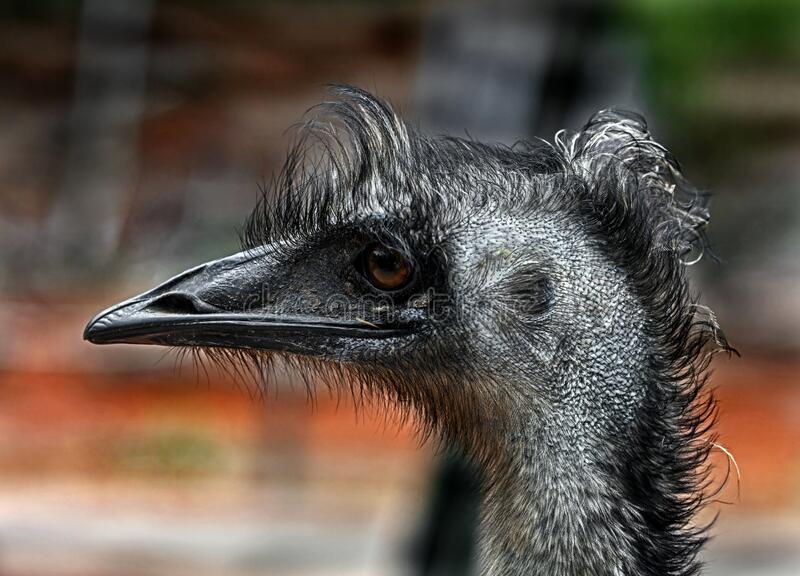
Emus are soft-feathered large birds which when born they exhibit brown with stripes colour on their body. The colour changes into three phases as they grow older and the brown striped feathers are on 3 month old chicks. After 4 months they look chocolate brown and at one year they change colour again.
The adult feathers fall off from the neck and the neck looks bluish green and the feathers display various kinds of colours. There is no distinction between male and female Emu.
Baby Emu stands at 12 cm tall and weigh 0.5 kg then as they grow to one year olds, they weigh between 30 – 40 kg (66 -88 pounds) and the height to a fully grown emu ranges from 168 – 183 cm (5.5 -6 feet)are around in height . Adult Emu weigh between 45 – 60 kg (99 – 132 pounds).
Emu Habitation
These birds can survive any type of climate and adversities. Emus do not necessarily need special structures for their habitation; however, a structure can be erected to protect them form the sun, wind and rain. They can survive in a small piece of land about one acre which can accommodate 100 – 150 birds easily.
Emus tend to do better with larger pastures with trees for shade and bushes to lie on, making it less stressful when they have ample space and lessens their fighting behaviour.
For protection of your birds, rather have them in grilled fence which should be 15.2 metres (50 feet) wide and 30.5 metres (100 feet) long. How To Raise Emus The fence must not have openings that will give an allowance for an Emu to get their heads in.
Purposes For Breeding
This is done to increase Emu population for income generation at family level and small – scale farmers from selling adult emus; also slaughtering birds to get the bi-products which are; meat, eggs, egg shells, emu nails, emu skin, cruelty-free emu feather, emu bones and manure.
Emu manure can be applied on own farm or can be locally sold to other farms. Like poultry manure, Emu manure is also good for fruits and vegetable gardens.
Brooding
Early chick management of emus is similar to that of chickens as ratites are cold-blooded birds and cannot sustain their body temperatures from metabolism alone; thus needing supplemental heat for up to 4 months, depending on conditions. Heat can be supplied from above with lights or heaters, or from below with heated mats or floors.
Many growers use heat lamps for chicks since they cannot regulate their own body temperature until they lose their stripes and grow our real body feathers.
Every Emu keeper must uphold cleanliness standards because zoonoses can be passed on from humans by birds;
- Wash hands at all times after handling the birds; wash again before eating and drinking. This will minimise the risk of contracting zoonoses and reduce spreading it.
- Always wear personal protective equipment (PPE) clothing and facemasks when cleaning the shed. Wear facemask and gloves all the time when handling the birds.
Just like all animals domesticated, there are diseases that can affect humans and below are the few symptoms to look for as an emu keeper;
- Viruses like bird flu can cause headaches, sinusitis, and sore eyes.
- Chlamydia can cause fever, coughing, weakness, lungs lesions. etc.
- Bacteria can range from vomiting, diarrhoea, abdominal pain, etc.
- Fungi – can have extremely rare ringworms, pneumonia, etc.
- Mites and lice.
Quickly seek professional help once you start experiencing strange effects on your body, and for your birds, seek services of a Veterinary officer.
Here are ten frequently asked questions for someone starting an emu farming venture, presented in a beginner-friendly guide format.
10 Frequently Asked Questions on Emu Farming – A Beginner’s Guide
Thinking about starting an emu farm? These unique, large birds can be a rewarding livestock choice, but they come with specific needs. Here are the top questions new farmers ask.
1. Is emu farming profitable, and what are the income sources?
Yes, it can be profitable, but it’s not a get-rich-quick scheme. Success depends on good management and developing multiple revenue streams. The primary products are:
- Meat: A lean, red meat similar to beef, marketed as a healthy alternative.
- Oil: Highly valued in the cosmetic and pharmaceutical industries for its anti-inflammatory and skin-penetrating properties.
- Leather: A unique, patterned leather used for boots, wallets, and accessories.
- Eggs/Chicks: Fertile eggs and day-old chicks can be sold to other farmers.
- Feathers & Toenails: Used in crafts, jewelry, and fly-tying.
2. How much land do I need for emus?
You don’t need vast acres. A general rule is 1/2 to 1 acre per breeding pair. Emus need space to run and exercise, which is crucial for their health and for producing high-quality meat and oil. The fencing is more critical than the total acreage.
3. What kind of fencing is required?
This is one of the most critical aspects. Emus are strong, curious, and can jump. You need a sturdy, 5 to 6-foot high fence.
- Best Options: Woven wire (no-climb) horse fencing or sturdy mesh.
- Avoid: Barbed wire (can cause severe injury) and standard livestock wire with large holes (they can get their heads stuck).
4. What do emus eat, and is it expensive?
Emus are omnivores but primarily eat a varied diet. For a balanced diet, you will provide:
- Commercial Ratite Feed: Specially formulated pellets for ostriches and emus.
- Fresh Greens & Grains: They love grass, leafy weeds, fruits, and vegetables. They will also forage for insects.
The cost is comparable to other livestock, but you can supplement their diet with homegrown produce to reduce expenses.
5. How long do emus live, and when do they start laying eggs?
Emus are long-lived birds. In captivity, they can live for 20 to 30 years. A female emu will typically reach sexual maturity and start laying eggs at around 2 to 3 years of age. The breeding season is during the cooler months (winter).
6. Are emus dangerous?
They are generally not aggressive, but they are large, powerful animals and can be dangerous if threatened or during breeding season.
- Kicks: Their legs are incredibly strong. A kick can break bones.
- Handling: Always be calm and move slowly. It’s essential to learn proper handling techniques. Their large, sharp toenails require respect.
7. What are the biggest challenges in emu farming?
- Start-up Costs: High-quality fencing, shelters, waterers, and the initial purchase of birds can be expensive.
- Finding a Market: You must identify buyers for your meat, oil, and other products before you have them ready to sell.
- Veterinary Care: Finding a vet with experience in large, exotic birds like emus can be difficult and is a must-have before you start.
- Predator Control: Emu chicks are vulnerable to predators like foxes, dogs, and birds of prey.
8. Do I need any special permits or licenses?
Yes, often you do. In many countries, including the United States, you need a permit from your state’s Department of Agriculture or Fish and Wildlife agency to keep captive ratites. Always check your local and state regulations before purchasing birds.
9. How many emus should I start with?
It is highly recommended to start small. Begin with a trio (one male, two females) or even just a few chicks (called “hatchlings”) to raise. This allows you to learn about their behavior, dietary needs, and daily care without being overwhelmed by a large flock.
10. Can I keep just one emu?
No, this is not advisable. Emus are social flock animals and can become extremely stressed, lonely, and develop behavioral problems if kept alone. You should always keep a minimum of two emus together for their mental well-being.