
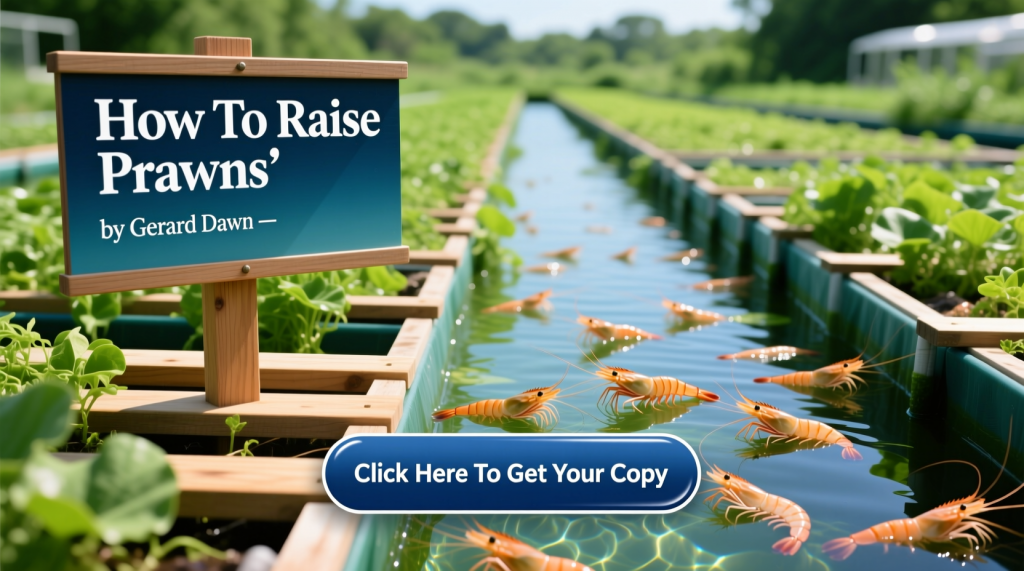
Prawn farming, also known as shrimp aquaculture, is a lucrative industry that contributes significantly to global seafood production. However, profitability in prawn farming depends heavily on maintaining optimal water conditions, as prawns are highly sensitive to environmental changes. Poor water quality can lead to slow growth, disease outbreaks, and high mortality rates, ultimately reducing yields and profits.
This article explores the key water parameters essential for successful prawn farming, including temperature, salinity, dissolved oxygen, pH, ammonia, nitrite, and nitrate levels. Additionally, we will discuss best practices for water management to maximize prawn health, growth, and farm profitability.
Table of Contents
1. Water Temperature
Optimal Range:
- Freshwater Prawns (Macrobrachium rosenbergii): 26–32°C (79–90°F)
- Marine Prawns (Penaeus species): 28–32°C (82–90°F)
Impact of Temperature on Prawns:
- Too Low (<20°C): Slows metabolism, reduces feeding, and stunts growth.
- Too High (>35°C): Increases stress, lowers dissolved oxygen, and raises disease susceptibility.
Management Tips:
- Use water heaters or chillers in extreme climates.
- Monitor with digital thermometers and adjust pond depth for temperature stability.
- Avoid sudden temperature fluctuations.
2. Salinity Levels
Optimal Range:
- Freshwater Prawns: 0–5 ppt (parts per thousand)
- Brackish Water Prawns (e.g., Penaeus monodon): 10–25 ppt
- Marine Prawns (e.g., Litopenaeus vannamei): 15–30 ppt
Impact of Salinity on Prawns:
- Too Low (for marine species): Causes osmotic stress, weakens immunity.
- Too High (for freshwater species): Disrupts osmoregulation, reduces survival.
Management Tips:
- Use hydrometers or refractometers for accurate salinity measurement.
- Gradually acclimate post-larvae (PL) to prevent shock.
- In freshwater farms, add marine salt mixes if needed for optimal mineral balance.
3. Dissolved Oxygen (DO)
Optimal Range:
- Minimum: 5 mg/L
- Ideal: 6–8 mg/L
Impact of Low DO:
- Below 3 mg/L: Prawns become stressed, stop feeding, and may suffocate.
- Prolonged hypoxia leads to mass mortality.
Management Tips:
- Install aeration systems (paddlewheels, diffusers, air stones).
- Avoid overstocking to prevent oxygen depletion.
- Monitor DO twice daily (dawn and dusk, when levels are lowest).
4. pH Levels
Optimal Range:
- 7.5–8.5 (slightly alkaline)
Impact of pH Fluctuations:
- Too Acidic (<6.5): Weakens shells, increases toxicity of ammonia.
- Too Alkaline (>9.0): Causes stress, reduces feeding efficiency.
Management Tips:
- Use limestone (CaCO₃) to raise pH if too acidic.
- Add organic matter (peat, molasses) to lower pH if too alkaline.
- Avoid sudden pH changes (>0.5 units per day).
5. Ammonia, Nitrite, and Nitrate Levels
Optimal Safe Levels:
- Total Ammonia (NH₃ + NH₄⁺): <0.1 mg/L (toxic above 0.5 mg/L)
- Nitrite (NO₂⁻): <0.1 mg/L (toxic above 0.3 mg/L)
- Nitrate (NO₃⁻): <50 mg/L (tolerable, but lower is better)
Impact of High Nitrogen Compounds:
- Ammonia: Burns gills, impairs growth, increases mortality.
- Nitrite: Blocks oxygen transport in blood (brown blood disease).
- Nitrate: Long-term exposure weakens immunity.
Management Tips:
- Biofilters & Probiotics: Promote beneficial bacteria to convert ammonia → nitrite → nitrate.
- Regular Water Exchange: Replace 10–30% of water weekly to dilute toxins.
- Avoid Overfeeding: Excess feed decomposes into ammonia.
6. Water Turbidity & Algae Control
Optimal Turbidity:
- Secchi Disk Visibility: 30–45 cm (indicates good plankton bloom)
Impact of Poor Turbidity:
- Too Clear: Lack of natural food (phytoplankton).
- Too Murky: Blocks sunlight, reduces oxygen production.
Management Tips:
- Maintain a balanced algae bloom (greenish water).
- Use probiotics to control harmful bacteria.
- Avoid excessive organic waste buildup.
7. Water Exchange & Filtration
Best Practices:
- Flow-through Systems: Replace 10–30% of water daily.
- Biofloc Systems: Reduce water exchange by recycling nutrients.
- Mechanical Filters: Remove solid waste to prevent ammonia spikes.
Benefits of Proper Water Exchange:
- Reduces disease risk.
- Maintains stable water quality.
- Enhances prawn growth rates.
8. Disease Prevention Through Water Management
Common prawn diseases (e.g., White Spot Syndrome, Early Mortality Syndrome) thrive in poor water conditions.
Prevention Strategies:
- Regular Monitoring: Test water parameters weekly.
- Quarantine New Stock: Prevent pathogen introduction.
- Probiotics & Immunostimulants: Boost prawn immunity.
Here are ten frequently asked questions (FAQs) about prawns:
1. What is the difference between prawns and shrimp?
Prawns and shrimp are different crustaceans. Prawns have three pairs of claw-like legs, while shrimp have two. Prawns also have branching gills and a straighter body compared to shrimp.
2. Are prawns healthy to eat?
Yes, prawns are a good source of protein, low in fat, and rich in omega-3 fatty acids, vitamins (B12, E), and minerals (selenium, zinc). However, they contain cholesterol, so moderation is advised for some diets.
3. How can I tell if prawns are fresh?
Fresh prawns should have a firm texture, a mild ocean-like smell (not fishy), and a translucent appearance. Avoid prawns with black spots, a slimy texture, or a strong ammonia odor.
4. How should I store fresh prawns?
Keep fresh prawns in the coldest part of the fridge (0–4°C) and use them within 1–2 days. For longer storage, freeze them in an airtight container for up to 3 months.
5. Can you eat prawns raw?
Raw prawns can carry parasites or bacteria, so it’s safer to cook them thoroughly. If consuming raw (e.g., in sushi), ensure they are sashimi-grade and properly frozen to kill pathogens.
6. How do you peel and devein prawns?
- Remove the head (if attached).
- Peel off the shell, leaving the tail if desired.
- Make a shallow cut along the back and remove the dark digestive tract (vein) with a knife or toothpick.
7. What’s the best way to cook prawns?
Prawns cook quickly (2–3 minutes per side) and can be grilled, boiled, fried, or sautéed. Overcooking makes them rubbery—they’re done when they turn opaque and pink.
8. Why do prawns turn pink when cooked?
The color change is due to a protein called astaxanthin, which is naturally present in prawns but bound to other molecules. Heat releases astaxanthin, turning the prawns pink.
9. Are prawns safe for people with shellfish allergies?
No. Prawns are shellfish, and people with shellfish allergies should avoid them as they can trigger severe allergic reactions.
10. Are farmed or wild-caught prawns better?
- Wild prawns are often considered tastier but may have sustainability concerns.
- Farmed prawns can be more eco-friendly if responsibly sourced (look for certifications like ASC or MSC), but some farms use antibiotics or harm mangroves.